How Norweco Singulair Green Helps Protect Local Water Quality
Water quality problems rarely begin with a dramatic event. More often, they build slowly, one overlooked drain field, one failing septic tank, one untreated discharge at a time. By the time a neighborhood notices algae in a pond, sewage odors after heavy rain, or cloudy runoff reaching a ditch, the damage has usually been underway for years.
That is what makes onsite wastewater treatment so important, especially outside sewered areas. A properly selected and properly maintained treatment system does more than serve one household. It protects nearby wells, roadside ditches, streams, wetlands, and groundwater that may eventually feed larger watersheds. In that setting, systems like the norweco singulair green deserve a closer look, not because any single product is a cure-all, but because treatment quality at the property level has direct consequences for the health of local water.
The central question is simple. How does a residential wastewater treatment unit actually reduce the risk of pollution? The answer sits at the intersection of engineering, biology, and everyday use. When those pieces work together, the payoff is cleaner effluent, lower organic loading, fewer solids escaping downstream, and a much better chance that the receiving environment can absorb what remains without harm.
Why onsite treatment affects more than one property
A conventional septic system depends heavily on the soil to finish the treatment process. In many places, that works well enough, provided the site has suitable conditions, the tank is sized correctly, and the system is not abused. But plenty of lots are less forgiving. Shallow soils, high seasonal water tables, tight clay, fractured rock, small parcels, lakefront development, and aging systems all complicate the picture.
When a basic septic system struggles, the first signs may be close to home: slow drains, wet spots in the yard, sewage odors, or backups. The less visible effects can be more serious. Partially treated wastewater can carry suspended solids, oxygen-demanding material, nutrients, and pathogens into the surrounding environment. Once that happens, nearby water bodies bear the cost.
This is where advanced onsite treatment enters the conversation. A unit like the norweco singulair green is designed to improve treatment before wastewater reaches final dispersal. That earlier, more complete treatment matters because cleaner effluent places less stress on whatever comes next, whether that is soil absorption, drip dispersal, or another approved discharge pathway depending on local regulation.
In practical terms, good treatment at the source helps reduce three recurring local water problems. First, it limits the amount of organic matter that can deplete oxygen in receiving waters. Second, it reduces solids that can clog soils or move into drainage pathways. Third, it helps lower the microbial risk associated with poorly treated sewage.
What the norweco singulair green is meant to do
At its core, the norweco singulair green is an aerobic wastewater treatment system. That distinction matters. Traditional septic tanks are primarily anaerobic settling tanks. They separate solids and begin digestion, but they do not provide the same level of active treatment that an aerobic process can deliver under the right operating conditions.
Aerobic treatment introduces oxygen and creates an environment where different groups of microorganisms can break down wastewater more efficiently. Instead of relying mostly on passive settling and natural soil polishing, the system treats wastewater in a more controlled way before release to the downstream component.
That controlled treatment does not eliminate the need for design, installation quality, or maintenance. It does, however, improve the odds of producing a cleaner effluent than a simple septic tank alone. In areas where local water quality is sensitive, that difference can be significant.
From a field perspective, the value of an aerobic unit often becomes obvious on difficult sites. Where there is limited room for a large conventional drain field, or where the soils are marginal, getting higher-quality effluent before soil dispersal can make the entire system more protective and more resilient. It is not magic. It is simply better treatment upstream.
Cleaner effluent means less stress on the environment
When wastewater leaves a house, it carries more than what people think of as sewage. It contains food waste residues, soaps, fats, proteins, paper fibers, bacteria, and a range of dissolved materials from normal daily living. If that mixture enters the environment with too little treatment, it begins to consume oxygen as it breaks down. Aquatic life pays for that oxygen demand.
A well-functioning aerobic treatment unit reduces that burden by breaking down organic material more thoroughly. It also promotes settling and retention of solids in the treatment train rather than letting them move outward. This is one of the most practical ways the norweco singulair green can help protect local water quality. The less untreated or partially treated material that escapes the property, the less likely nearby waters are to suffer from oxygen depletion, sludge buildup, or bacterial contamination.
That benefit is easy to underestimate because the treatment happens out of sight. Homeowners do not usually see clearer water leaving the unit, nor do they directly observe the biological process at work. Yet in communities with many onsite systems, the cumulative effect is real. If ten failing systems are replaced with high-performing treatment units, the improvement in groundwater and surface water loading can be meaningful over time.
I have seen small drainage corridors recover simply because chronic inputs were reduced. The change was not instant, and nobody would call the ditch pristine, but odors faded, mats of gray growth receded, and standing water after rain looked less fouled. Those improvements rarely come from one dramatic intervention. They come from better housekeeping across many properties, and wastewater treatment is part of that housekeeping.
The role of biology, not just equipment
People sometimes think of advanced treatment units as mechanical boxes that solve wastewater problems through pumps and timers alone. The hardware matters, but the real treatment engine is biological. The system creates conditions that support microbial communities that digest and transform waste.
That matters for two reasons. First, it explains why consistent flow and reasonable use patterns help performance. Biological systems prefer steadiness over chaos. A normal household can still have variable use, of course, but repeated hydraulic surges, long periods of neglect, or the routine dumping of harsh chemicals can disrupt treatment.
Second, it explains why maintenance is not optional. If aeration weakens, solids build up, or internal components are not inspected, treatment quality can decline even if the house plumbing still appears to function. Water may keep going down the drain while the effluent quality quietly worsens. From a water protection standpoint, that is the dangerous scenario, because failure is hidden.
The norweco singulair green is most helpful when owners and service providers treat it as a living treatment environment rather than a sealed appliance. The goal is not merely to keep wastewater moving. The goal is to maintain treatment conditions that consistently reduce pollutants before they leave the unit.
Why advanced treatment can be especially valuable near sensitive water
Not every site carries the same risk. A rural parcel with deep, well-drained soils and ample separation distances is a different challenge than a compact lot near a cove, creek, or shallow well. The closer wastewater is to vulnerable receptors, the more important treatment reliability becomes.
Lake communities are a common example. Homes may be packed more tightly, lots may have older systems, and residents often care deeply about water clarity, odors, and swimming conditions. Nutrient loading, bacterial counts, and seasonal water table swings all matter. In those settings, an advanced treatment unit can be part of a broader strategy to protect a water body that receives pressure from many directions at once.
The same logic applies in subdivisions where sewer service never arrived and where soils were never ideal to begin with. If the native site conditions make it hard for soil alone to provide consistent polishing, better pretreatment upstream is one of the few practical tools available.
That does not mean every property needs the same solution. Site evaluation still governs system selection. Local regulations, soil testing, percolation behavior where applicable, seasonal groundwater observations, and design flow all shape the answer. Still, the reason advanced treatment keeps appearing in these conversations is straightforward: when the margin for error is small, cleaner effluent matters more.
Good design and installation determine whether the promise is real
A treatment unit can be well engineered and still underperform on a poorly planned site. That is not a flaw unique to one manufacturer. It is true across onsite wastewater work.
The best installations begin with a careful site evaluation and an honest read of how the property functions in wet weather, not just during a dry inspection. Water movement across the lot, usable area for dispersal, elevation changes, traffic patterns, roof drainage, and future landscaping plans all influence long-term success. I have seen systems compromised by something as mundane as repeated vehicle traffic over a dispersal area or roof downspouts aimed directly where treated effluent needed room to infiltrate.
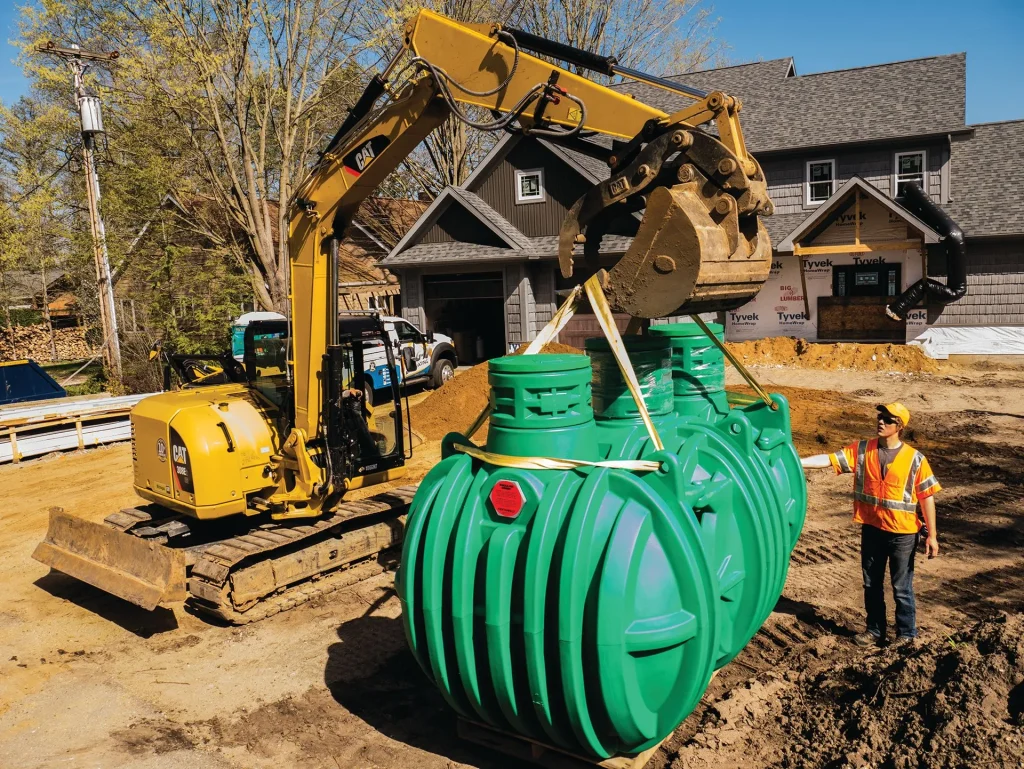
For the norweco singulair green to help protect local water quality in the real world, the treatment unit has to be part of a coordinated system. That includes tank placement, control setup, alarms where required, downstream dispersal design, and access for service. When any of those pieces are treated as afterthoughts, performance suffers.
Installation quality also affects homeowner trust. A clean, accessible, well-labeled installation invites proper service. A confusing or hard-to-reach installation often leads to deferred maintenance. The environmental result can be the same as neglect, even when the owner had good intentions.
What undermines water quality, even with a strong treatment unit
The most common threats are not exotic. They are routine patterns that slowly erode performance until the system no longer delivers the treatment level it was chosen for.
- Skipped maintenance and infrequent inspections
- Excessive hydraulic loading from leaks, long showers, or back-to-back laundry
- Flushing wipes, grease, feminine products, or other non-biodegradable solids
- Harsh chemical dumping that disrupts biological activity
- Ignoring alarms, odors, or surfacing effluent
None of those issues is rare. In fact, they explain a large share of water quality problems tied to onsite systems. The frustrating part is that many are preventable. The treatment unit may be capable of solid performance, but capability is not the same as actual field conditions month after month.
This is one reason experienced installers and service technicians spend so much time educating homeowners. The message is not dramatic, and it is not glamorous, but it is true: water quality protection depends on daily habits almost as much as equipment selection.
Maintenance is where environmental performance is won or lost
There is a tendency to treat wastewater systems like water heaters. If nothing is leaking onto the floor and the taps still run, people assume the device is doing its job. That mindset does not work with onsite treatment.
An aerobic unit needs periodic professional attention. The exact service interval depends on local requirements and the specific installation, but the broader point is constant. Components need inspection. Sludge and scum levels need monitoring. Aeration and controls need verification. The downstream dispersal area needs observation. If disinfection or related finishing processes are part of the permitted setup, they need the correct supplies and checks as well.
From a local water quality standpoint, routine maintenance does two jobs. It protects the treatment process itself, and it catches drift before drift becomes failure. That is a huge distinction. A service visit that identifies weak aeration early can prevent months of poorer effluent quality. Left unnoticed, the same issue may eventually overload the dispersal field and create a much bigger environmental and financial problem.
Homeowners often ask whether service contracts are worth it. In my view, on advanced onsite systems, they usually are. Not because owners are careless, but because treatment performance is too important and too easy to misjudge from inside the house.
The homeowner habits that make the biggest difference
Owners do not need technical expertise to help a system perform well. They need a few practical habits and a willingness to respond when the system asks for attention.
- Spread water use through the week instead of creating extreme peak flows in one day
- Fix leaking toilets and fixtures quickly
- Keep grease, wipes, and inappropriate solids out of the system
- Protect the treatment and dispersal area from traffic and root intrusion
- Follow the service schedule and call when alarms or unusual odors appear
Those habits sound modest, but they are the difference between a unit that receives reasonable operating conditions and one that is forced to absorb constant abuse. In communities where many homes rely on onsite treatment, that difference scales outward to affect ditches, ponds, creeks, and groundwater.
A useful way to think about it is this: every gallon of wastewater enters the system carrying a treatment obligation. Homeowner behavior determines whether that obligation arrives at a manageable pace or as a repeated shock load.
Trade-offs that deserve honest discussion
Advanced treatment is not the cheapest option, and it should not be sold that way. A system like the norweco singulair green typically brings higher upfront cost than a simple septic tank arrangement, and it usually requires more active maintenance over time. It may also rely on electrical components, which introduces another point of dependency.
Those trade-offs are real. They norweco singulair green matter to households working within tight budgets, and they should be discussed plainly at norweco singulair green the design stage. It is far better to choose a system the owner can realistically maintain than to install a more sophisticated unit that will be neglected.
At the same time, the cost discussion should not stop at purchase price. Failing or marginal systems can become very expensive once repairs, property disruption, water damage, emergency pumping, and regulatory issues enter the picture. There is also a public cost that rarely appears on one invoice: degraded local water quality.
This is where professional judgment matters. On a forgiving site, a conventional system may remain the sensible answer. On a constrained or environmentally sensitive site, higher treatment quality may justify the additional complexity. The right decision depends on the property, the regulations, and the owner’s willingness to maintain the system properly.
Water quality protection is cumulative and local
People often look for single large explanations for environmental decline, but local water quality usually reflects the accumulation of small decisions. Yard drainage, fertilizer use, stream buffers, pet waste, construction runoff, and wastewater treatment all play a part.
That means the benefits of a well-performing onsite system are sometimes easy to miss. There may be no ribbon cutting, no visible monument, no public celebration. What you get instead is a quieter kind of protection. Fewer bacteria entering a ditch after rain. Less organic loading reaching a pond. Lower risk to a nearby private well. Better resilience in a neighborhood where many lots rely on individual systems.
The norweco singulair green fits into that larger reality. Its value is not abstract. It lies in how effectively it reduces pollutant loads before wastewater leaves the property. When selected for the right site, installed correctly, and maintained with discipline, it can help a household do its part in protecting shared water resources.
That is the level at which most environmental work succeeds or fails. Not only in permits and plans, but in ordinary places behind ordinary homes, where treatment either happens well or it does not. Local water quality reflects those choices more than many people realize.
What to ask before installing or upgrading
If a property owner is considering an advanced wastewater treatment system, the most productive conversations happen early. Ask how the site conditions influence system selection. Ask what level of routine service will be required. Ask how alarms and controls work, who will perform maintenance, and what warning signs deserve immediate attention. Ask how the downstream dispersal area is protected and what activities should stay off that part of the yard.
Most important, ask what success looks like five or ten years from now. A good answer will include more than a permit approval. It will describe stable treatment performance, manageable upkeep, and reduced risk to nearby water resources.
That is where the norweco singulair green can earn its place. Not as a generic piece of equipment, but as part of a deliberately designed treatment approach that recognizes a basic truth: clean local water begins with what happens upstream, often one home at a time.
When people understand that connection, wastewater treatment stops being an invisible utility and becomes what it really is, a frontline defense for the waters people fish, swim, irrigate from, and sometimes drink. On the right property, with proper care, that is exactly how a system like this helps protect what matters nearby.
Excavating New Jersey LLC
406 County Rd 565, Wantage, NJ 07461, United States
+1 973-791-4284
FAQ About norweco singulair green
How much does a NORWECO septic system cost?
The installed cost depends on the selected unit, engineering, site access, excavation, electrical work, disposal-field design and required approvals. A tank-only price is not a complete installation quote. Ask Excavating New Jersey LLC for a site-specific, itemized estimate that also explains ongoing service costs.
How does a Norweco septic system work?
The Singulair Green uses pretreatment, aeration, clarification and filtration to treat domestic wastewater. In the aeration chamber, oxygen supports bacteria that break down organic material. The Bio-Kinetic unit provides further filtration and flow equalization. Final effluent disposal must follow the property's approved design and applicable requirements.
What is the average lifespan of a septic system?
There is no guaranteed lifespan for every system. Design, installation, soil conditions, wastewater loading and regular maintenance all matter, and mechanical parts may need replacement before the tank. For a Singulair Green system, follow the manufacturer's service schedule and have a qualified provider assess its condition and pumping needs.