Common Questions About Norweco Singulair Green Answered
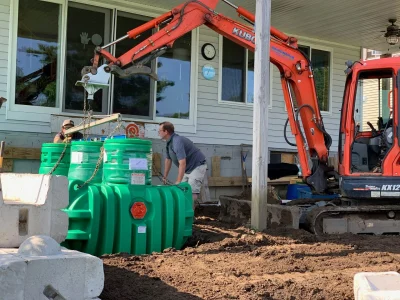
If you are researching a norweco singulair green system, chances are you are either building on a site without access to municipal sewer, replacing a failing treatment unit, or trying to understand what exactly is already installed in your yard. Those are not small decisions. Onsite wastewater systems sit in an odd category of home infrastructure. They are essential, expensive, mostly hidden, and usually ignored until something smells wrong, backs up, or fails an inspection.
The Singulair Green line comes up often in conversations about advanced residential wastewater treatment because it is designed to produce a higher quality effluent than a basic septic tank alone. That matters when a property has limited soil depth, tighter environmental standards, smaller lots, or local health department requirements that make a conventional gravity system difficult or impossible.
People tend to ask the same practical questions. What is it, how is it different from a standard septic system, how much care does it need, what can go wrong, and is it worth the cost and maintenance? Those are the right questions. The answers depend on site conditions, local regulations, and how the household actually uses water day to day, but there are some consistent realities that every owner should understand.
What the system is actually doing
At a basic level, the norweco singulair green is an aerobic wastewater treatment system. Unlike a conventional septic tank, which relies mainly on settling and anaerobic digestion, this type of unit introduces air into the treatment process. That added oxygen supports aerobic bacteria, which break down wastewater more aggressively and typically produce cleaner effluent before it moves on to final dispersal or polishing components.
That cleaner effluent is the reason these systems are often specified where environmental sensitivity is high. Think waterfront lots, small rural parcels, sites with poor native soils, or areas where the local authority wants more treatment before wastewater reaches a drainfield or drip dispersal network.
A lot of confusion starts with the word “green.” Homeowners sometimes assume it means no drainfield is needed, or that the unit somehow turns wastewater into irrigation-quality water on its own. That is not how to think about it. The treatment unit is one part of a larger system. Even a strong treatment process usually feeds into another approved method of dispersal, reuse, or soil absorption, depending on the design and local code.
How it differs from a standard septic setup
A conventional septic system is simple. Wastewater leaves the house, enters a septic tank, solids settle, oils float, and partially treated liquid flows to a drainfield. When the soil is suitable and the lot is large enough, that simplicity is hard to beat.
The norweco singulair green belongs to a more active category. It uses mechanical and electrical components to support treatment. That often includes aeration, internal recirculation or clarification stages, and in some designs disinfection or additional polishing before final discharge to a downstream component. Because it is active rather than passive, it usually treats wastewater more thoroughly, but it also asks more from the owner.
That trade-off matters. A conventional septic tank can tolerate long stretches of neglect, though not forever. An aerobic treatment unit cannot be treated as invisible infrastructure. It needs electricity. It needs periodic service. If the air delivery or mechanical components stop working, treatment quality can drop long before there is an obvious backup in the house.
The upside is that these systems can solve site problems that a basic septic tank cannot. I have seen properties where a standard drainfield simply was not realistic because the usable area was too small or seasonal groundwater made soil treatment unreliable. In those cases, advanced treatment is not a luxury upgrade. It is what makes legal development possible.
Is it a good choice for every property?
No, and that is one of the most important points to understand.
A norweco singulair green system is usually a better fit when the site or permitting conditions call for enhanced treatment. If you have deep, well-drained soil, generous setbacks, plenty of land, and a local jurisdiction that allows a standard system, a conventional septic setup may still be the most economical long-term choice. Fewer moving parts usually means fewer service needs and lower annual operating costs.
On the other hand, if your site is constrained, or if local rules require advanced treatment, comparing this kind of unit against a plain septic system is not the right comparison. The real comparison is between an advanced treatment system and the alternatives that your site can legally support. Sometimes that means comparing it to mound systems, sand filters, drip systems, or other aerobic treatment packages.
The right question is not “Is this more complicated than a regular septic tank?” It usually is. The better question is “Does this system make my site buildable or my replacement permit possible while meeting long-term performance needs?” In many cases, the answer is yes.
What homeowners worry about first, smell and noise
Smell is usually the first fear. That is understandable. Nobody wants a treatment plant in the yard.
When the system is functioning properly, there should not be a constant sewage odor around the tank area or venting components. Aerobic treatment, when healthy, often has less of the strong septic smell people associate with stagnant wastewater. If there is a persistent odor, it usually points to a problem rather than normal operation. That problem could be a failed aerator, improper venting, overdue maintenance, excess solids, or trouble in the downstream dispersal area.
Noise comes up too. These units generally include electrically powered components, and some produce a low operational hum. In most residential settings it is not intrusive, but placement matters. If equipment is close to a bedroom window or outdoor sitting area, even a minor mechanical sound can become annoying. Good installation planning helps. So does realistic expectation. This is still a treatment unit with active equipment, not a buried concrete box doing its work in silence.
How much maintenance does it really need?
More than a standard septic tank, less than some people fear.
The biggest mistake owners make is assuming advanced treatment systems are set-and-forget. They are not. A well-run unit usually needs scheduled inspections and periodic service by a qualified provider. In some jurisdictions, that service is mandatory and tied to operating permits. Even where it is not mandatory, it is wise. Catching a worn component early is cheaper than discovering a full treatment failure after weeks or months of poor performance.
Maintenance typically involves checking the aeration components, inspecting sludge and scum levels, confirming alarms and controls work correctly, looking at effluent quality indicators, and making sure the downstream dispersal area is not showing signs of hydraulic overload. Pumping intervals vary with household size and usage, but solids do still accumulate. Advanced treatment does not eliminate the need for pumping.
A fair way to think about ownership is this: a conventional septic system rewards restraint and periodic pumping. A norweco singulair green system rewards attention. If you respect the service schedule, it can perform very well. If you ignore it, the system will eventually force the issue.
What happens if the power goes out?
This is one of the most practical questions, and it is often overlooked during the sales conversation.
Because the unit depends on powered components, an outage can interrupt treatment. A short outage is not automatically a crisis, but a prolonged outage can reduce treatment effectiveness and, depending on flows and tank capacity, create operational problems. The immediate effect depends on design details, tank volume, and how much water the household continues to use while the system is offline.
During an extended outage, the smart move is to reduce water use sharply. That means delaying laundry, shortening showers, and avoiding nonessential discharge to the system. If your area has frequent storm-related outages, ask the installer how the system behaves in those conditions and whether local owners use generators or battery-backed alarm systems for monitoring.
Power dependence does not make the system a bad choice. It just changes the ownership profile. Anyone considering one should accept that electrical reliability is part of wastewater reliability.
Can it handle a large family or intermittent use?
Usually yes, if it is correctly sized and the usage pattern is understood upfront.
These systems are designed around expected daily flow and organic loading. A full-time household with four or five residents produces a very different pattern than a weekend cabin, a short-term rental, or a retired couple who host large family gatherings a few times a year. The challenge is not only the total gallons. It is how those gallons arrive. Wastewater systems dislike surges. Several loads of laundry back to back, followed by long showers for guests, can stress even a properly sized unit.
Intermittent occupancy creates its own quirks. Aerobic systems rely on biological activity, and biology responds to feeding patterns. Some systems tolerate variable loading better than others, but long vacant periods followed by intense use can affect performance. This is a good topic to discuss honestly with the designer or service professional. Owners of vacation properties often assume “less use” means “easier on the system.” Sometimes it does, but not always in a straightforward way.
One of the more sensible habits for any owner is spreading water use through the day and week instead of dumping it all into the system in bursts. That single change can improve performance more than most people expect.
What should never go into the system?
People tend to think only in terms of what can clog pipes, but treatment performance is just as vulnerable to what can harm the biology inside the unit.
Here is a short practical rule set that applies well to a norweco singulair green system:
- Do not flush wipes, hygiene products, paper towels, condoms, or cat litter, even if packaging suggests they are flushable.
- Do not pour grease, oils, paint, solvents, pesticides, or large amounts of harsh cleaners down drains.
- Do not use the toilet as a disposal route for expired medications unless local guidance specifically allows it.
- Do not overload the system with water from leaking toilets, stuck softener cycles, or marathon laundry sessions.
- Do not drive or build over tanks, lines, or treatment areas unless the design specifically permits it.
Those points sound basic, but they account for a remarkable percentage of avoidable service calls. In one common scenario, a household has no idea a toilet flapper has been leaking for weeks. The extra flow keeps the unit under constant stress, and by the time anyone notices, the system is blamed for a water-use problem it never caused.
Are service contracts really necessary?
In many real-world situations, yes.
Some local health departments or permitting agencies require a maintenance agreement for advanced treatment systems, especially in the first years of operation or for the life of the permit. Even when it is not required, a service contract is often the easiest way to make sure inspections happen on schedule and records are kept properly.
That recordkeeping matters more than people realize. If you ever sell the property, refinance, file an insurance claim involving backup, or respond to a notice from the local authority, documented service history can save time and arguments. It also helps a technician spot trends. A compressor drawing slightly different amperage, a rising solids pattern, or recurring alarm history can indicate a problem before failure becomes obvious.
There is a cost, of course. Owners sometimes resist annual service fees because the equipment appears to be working. But advanced wastewater treatment is not like replacing an HVAC filter yourself and calling it good. Performance is partly hidden. Professional eyes catch what homeowners cannot.
How long does a system like this last?
That depends on what part you mean.
The tankage and buried structural components can last a long time when installed correctly and not physically damaged. Mechanical and electrical parts have shorter service lives. Aeration equipment, pumps, controls, floats, and alarms all age. Environmental exposure, power quality, and maintenance discipline affect longevity. A well-maintained system may give many years of reliable service, but owners should budget for component replacement over time rather than assuming the original equipment will last indefinitely.
This is where advanced treatment ownership diverges sharply from old-fashioned septic expectations. A conventional septic tank owner may think in terms of pumping every few years and little else. An owner of a norweco singulair green system should think more like the owner of other mechanical infrastructure. It has a norweco singulair green lifecycle. It has wear parts. It performs best when someone is paying attention.
What do alarms mean, and should you panic?
An alarm is not a reason to panic, but it is always a reason to respond.
Most alarms indicate an abnormal condition such as high water level, aeration trouble, pump malfunction, or a control issue. The exact meaning depends on the system design. The worst response is to silence the alarm and carry on as if the issue solved itself. The second worst is to keep using large volumes of water while waiting days to call for help.
A better response looks like this:
| What to do | Why it matters | | --- | --- | | Reduce water use immediately | Less flow buys time and can prevent backup or overflow | | Check for obvious power issues | A tripped breaker or outage can be the immediate cause | | Note any odors, wet spots, or plumbing changes | Those clues help a technician diagnose faster | | Call the service provider promptly | Early intervention is usually cheaper and simpler |
That level-headed approach solves a lot of alarm events before they become household emergencies.
How does winter affect performance?
Cold weather affects every wastewater system differently, but it does not automatically make an aerobic treatment unit unsuitable.
Buried components are partly protected by soil cover, and regular household flow contributes some warmth. Trouble is more likely when a property sits vacant in freezing weather, when shallow piping lacks proper protection, or when landscaping and traffic compact snow cover over sensitive components. Snow can act as insulation. Stripping it away with plowing in the wrong place can expose shallow lines to frost.
For seasonal properties, winterization and vacancy planning deserve serious attention. A house that is occupied daily is very different from one closed up for months. Owners should not improvise based on generic internet advice. The installer or local service provider will know what your climate and configuration require.
Is the effluent clean enough to skip the rest of the system?
Usually no, and this is where marketing language can sometimes lead to misunderstanding.
Advanced treatment means better treatment, not no further responsibility. The effluent from a norweco singulair green unit may be suitable for certain approved downstream applications depending on local code and the full system design, but homeowners should never assume that the treatment unit alone eliminates the need for a dispersal area, disinfection step, or other required components.
Regulations vary widely. One county may allow options that another flatly prohibits. The system is only legal and appropriate in the form it was permitted. That sounds bureaucratic, but it protects owners from expensive assumptions. If someone tells you that you can bypass a required component because the treatment unit is “good enough,” that deserves careful verification in writing from the authority having jurisdiction.
What does ownership cost beyond installation?
The purchase and installation cost is only part norweco singulair green Excavating New Jersey LLC of the picture. Operating costs can include electricity, regular inspections, periodic pumping, consumables if required by the design, and replacement of worn components over time. The exact annual amount varies by region, service market, and system configuration, but it is safe to say the long-term carrying cost is generally higher than that of a basic gravity septic system.
That does not mean it is poor value. It means the value lies in capability rather than simplicity. If a site needs enhanced treatment, the cost should be weighed against the benefit of obtaining a buildable lot, preserving water quality, or bringing an existing property into compliance without more disruptive alternatives.
One practical tip I often give owners is to budget annually rather than reactively. If you set aside funds each year for pumping, service, and eventual component replacement, the system feels manageable. If you treat each event as an unwelcome surprise, it will always feel more expensive than it really is.
What should you ask before buying or inheriting one?
This is the point where a little diligence saves a lot of frustration. When evaluating a property with a norweco singulair green system, or considering one for new construction, get clear answers on a few points:
- What exact components are included in the permitted design, including treatment, pumping, alarms, and final dispersal?
- What maintenance schedule is required by the manufacturer, installer, or local authority?
- Who services these units locally, and how quickly do they respond when alarms or failures occur?
- What records exist for pumping, inspections, repairs, and replacement parts?
- Are there any usage restrictions tied to occupancy, garbage disposal use, water softeners, or seasonal operation?
Those questions move the conversation away from glossy sales language and toward actual ownership conditions. That is where good decisions are made.
The bottom line for most homeowners
The norweco singulair green is best understood as a high-capability onsite treatment option, not a magical low-maintenance box and not a standard septic tank with a fancier label. It can be an excellent solution where environmental sensitivity, limited site conditions, or permitting constraints require better wastewater treatment. It can also frustrate owners who expected passive infrastructure and got mechanical infrastructure instead.
The difference between satisfaction and disappointment usually comes down to fit and follow-through. If the system matches the site, is installed correctly, and receives regular service, it can perform exactly the role it was chosen for. If it is undersized, poorly maintained, or misunderstood, it becomes one more source of avoidable property stress.
For homeowners, the smartest approach is simple. Learn how your specific system is configured. Keep the records. Respect the maintenance schedule. Use water thoughtfully. Respond to alarms quickly. Those habits do more to protect performance than any sales brochure ever will.
Excavating New Jersey LLC
406 County Rd 565, Wantage, NJ 07461, United States
+1 973-791-4284
FAQ About norweco singulair green
How much does a NORWECO septic system cost?
The installed cost depends on the selected unit, engineering, site access, excavation, electrical work, disposal-field design and required approvals. A tank-only price is not a complete installation quote. Ask Excavating New Jersey LLC for a site-specific, itemized estimate that also explains ongoing service costs.
How does a Norweco septic system work?
The Singulair Green uses pretreatment, aeration, clarification and filtration to treat domestic wastewater. In the aeration chamber, oxygen supports bacteria that break down organic material. The Bio-Kinetic unit provides further filtration and flow equalization. Final effluent disposal must follow the property's approved design and applicable requirements.
What is the average lifespan of a septic system?
There is no guaranteed lifespan for every system. Design, installation, soil conditions, wastewater loading and regular maintenance all matter, and mechanical parts may need replacement before the tank. For a Singulair Green system, follow the manufacturer's service schedule and have a qualified provider assess its condition and pumping needs.